Media Release: AMA SA calls for action beyond age restrictions
AMA SA has been supportive of the under-16 social media ban from the outset, but says protecting adolescents' mental health will require increased and ongoing support.

Ahead of the state election, the Australian Medical Association in South Australia (AMA SA) is urging all sides of politics to commit to greater mental health care and education for children affected by the under-16 social media ban.
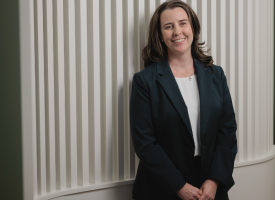
AMA SA Vice President Dr Louis Papilion has welcomed the world-leading age restrictions which come into effect today (10 December), but says young people and their families need ongoing support.
‘As a father of three young kids who are still a little too young for social media, it’s reassuring to know they can grow up with guardrails that minimise exposure to cyberbullying, harmful content and algorithms that fuel anxiety, depression and digital addiction,’ Dr Louis Papilion says.
‘But our duty of care doesn’t end today. We need action beyond age restrictions.
‘Governments – both state and federal – have a responsibility to ensure there is ongoing support for children already impacted by years of social media use and education to prepare future generations for life online after 16.
‘We also need to support children – particularly those from vulnerable groups such as the LGBTQI+ community and culturally and linguistically diverse backgrounds – who have lost access to vital online communities overnight.’
In South Australia, AMA SA is calling on all sides of politics to commit to policies that ensure no child falls through the cracks, including:
• increased investment in child and adolescent mental health beds
• funding that allows general practices to stay open out of hours
• expansion of digital literacy programs across every South Australian school
‘A trusted family GP is often the first point of contact when a child is struggling with their mental health. State funding that enables GPs to stay open longer will support timely and affordable access to this crucial first stage of care,’ Dr Papilion says.
‘Our state leaders must also ensure there are enough dedicated mental health beds in public hospitals for children with acute or severe conditions that cannot be safely managed in the community.
‘Beyond that, we need to prepare young people so they can safely navigate social media when they turn 16. Digital literacy is already part of most school programs, and these initiatives must be strengthened so children can avoid harmful content and connections, recognise manipulative design features on the platforms and set healthy boundaries.’
AMA SA President Associate Professor Peter Subramaniam says the Federal Government must take a leading role in curbing harmful tactics used by social media giants.
‘Social media platforms are designed to encourage compulsive use. The algorithms exploit the adolescent brain’s heightened sensitivity to reward, to encourage kids to keep scrolling,’ A/Prof Subramaniam says.
‘Australia’s social media ban provides an important buffer during a vulnerable developmental stage, but it doesn’t protect young people once they turn 16 or those who will inevitably find workarounds.
‘That’s why we’re calling on the Federal Government to compel social media companies to remove addictive features and be transparent about their algorithms.
‘The social media ban for under-16s should be the beginning, not the end, of a coordinated effort to protect young minds.’
For interview requests please contact media manager Ben Terry on 0478 847 604.