President’s update: A new approach to ramping reform
In this month's President's update, A/Prof Peter Subramaniam outlines a new data-driven approach to tackling ambulance ramping and reinforces AMA SA's advocacy for junior doctors through the latest Hospital Health Check. He also celebrates the cultural diversity that continues to strengthen South Australia's medical profession.
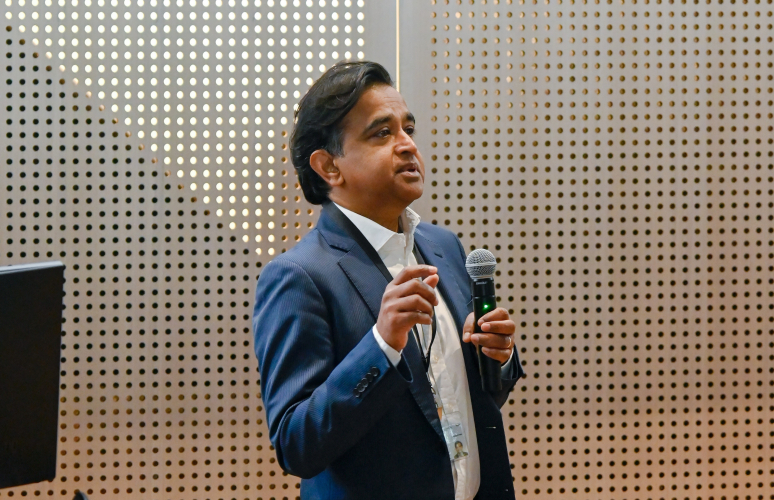
The AMA’s Ramping Report Card 2026 was released last week, and for South Australia the findings confirm what we have long been saying. Despite record investment in beds and frontline staff, the crisis is intensifying.
Total hours lost on the ramp across Adelaide’s hospitals have more than tripled in five years, increasing from around 15,000 hours in 2019-20 to more than 49,000 hours in 2024-25. During the same period, the State Government continued to miss its own targets, with just 45.7% of patients transferred from ambulance to hospital staff within 30 minutes.
As AMA SA President, I don’t believe our role is simply to point out the problem – it is to help shape the solution. That is why I have written to the Health Minister calling for a new, data-driven approach.
Right now, we are making decisions without a clear picture of who is ending up on the ramp – and why. Without that insight, it is impossible to direct investment where it will make the greatest difference.
AMA SA is calling for three practical, low-cost measures:
- a public dashboard showing who is on the ramp – their ages, conditions, and whether they’re coming from home, residential facilities or referrals – to determine how they may be treated outside hospital
- a transparent tracker of promised versus delivered staffed beds
- an independent clinical panel to translate ramping data into practical action.
If we can clearly see what is driving demand – whether it is chronic disease, aged care, mental health or other pressures – we can start to shift resources to the areas of the system under the greatest strain.
Until then, we will continue to treat the symptoms of ramping rather than its cause.
Round Table progress
It was pleasing to join AMA SA colleagues and SA Health representatives this week at the quarterly meeting at which we discuss work underway to develop actions emanating from the AMA SA Access to Care Round Table.
The agreed actions, announced in March, range from investigating how admission and discharge processes can be improved to streamline communication with a patient’s GP – and ultimately reduce the likelihood that the patient will require further hospital care – to working with residential care facilities to support care in place and avoid unnecessary transfers. It was clear this week that SA Health is taking steps to achieve the objectives. We appreciate the significant progress that was reported, and the opportunity to contribute in a real way to outcomes that AMA SA determined were important to helping our patients stay healthy outside hospital.
Hospital Health Check
Last week AMA SA released its annual Hospital Health Check (HHC), which summarises and analyses junior doctors’ responses to key Medical Training Survey questions about their working conditions.
It’s important to acknowledge genuine progress. The rates of reports of bullying, harassment and discrimination are trending down, training and teaching are rated highly, and the vast majority of junior doctors – between 81 and 95 per cent – would recommend their hospitals as places to train.
However, some incidents are still going unreported – often because doctors believe nothing will change or fear repercussions for speaking out.
Workload also remains a significant concern. Around half of South Australia’s trainees continue to rate their workloads as heavy or very heavy, and long working weeks remain common.
The HHC allows us to examine these issues at the hospital level, so we can work with SA Health at each site to advocate for safe working hours and build a culture in which doctors can raise concerns without fear.
This report is a vital tool for amplifying junior doctors’ voices, and we are committed to acting on what they tell us.
The future is bright
I had the privilege of spending time with the Council of the Australian Medical Students’ Association on Tuesday, to discuss practical steps involved in leading high-performing teams.
It was an uplifting hour with a highly motivated group of bright, committed and passionate young medical students who were keen to further develop their leadership skills.
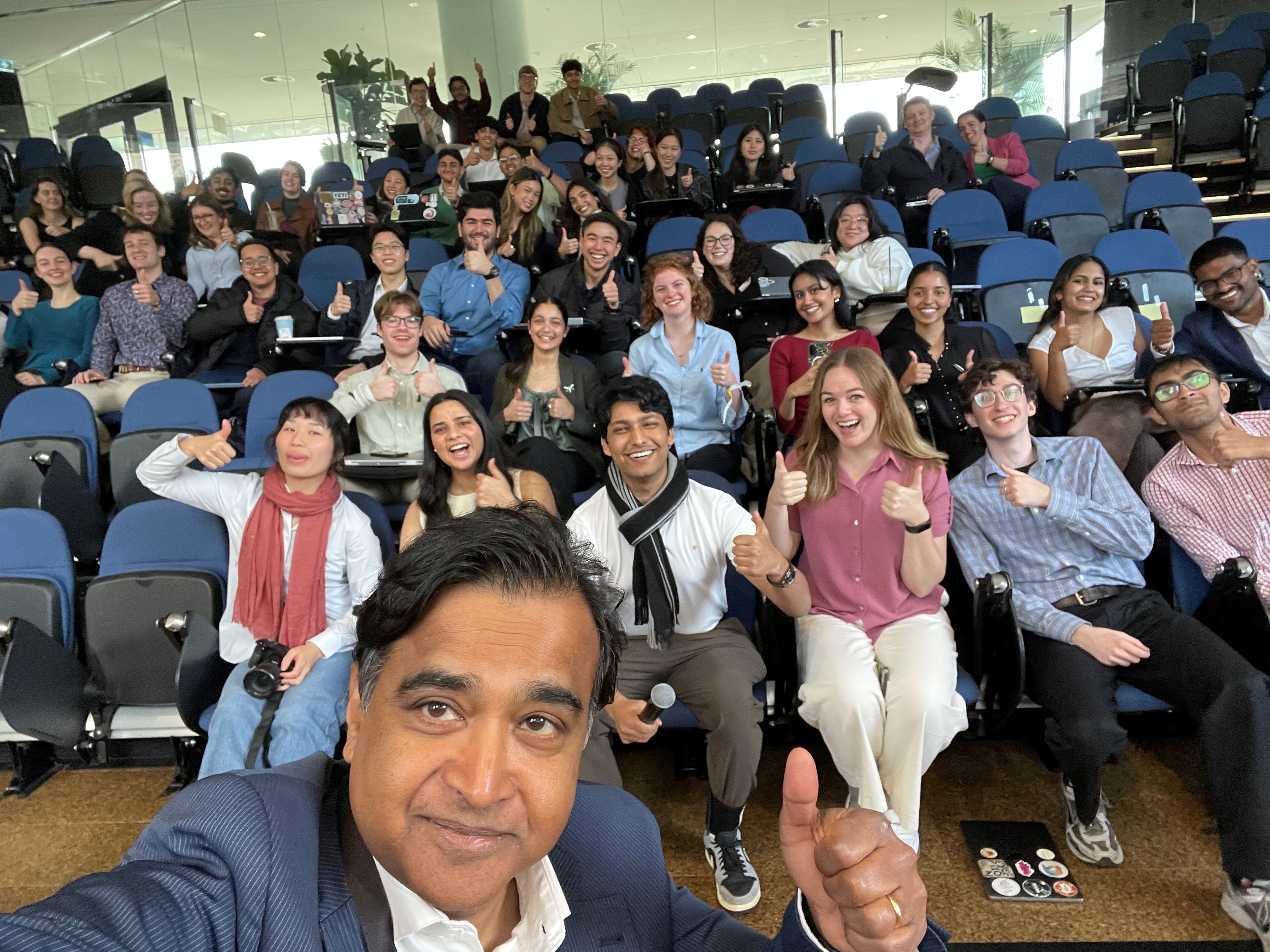
The work they are doing now – serving their peers, building teams, creating safe and effective cultures, identifying purpose and holding one another accountable – may not be formally assessed in the academic curriculum of their medical schools. But it will have an indelible impact on their future service to patients, colleagues and communities.
The future of medical leadership in Australia is bright indeed!
Homeless for a night
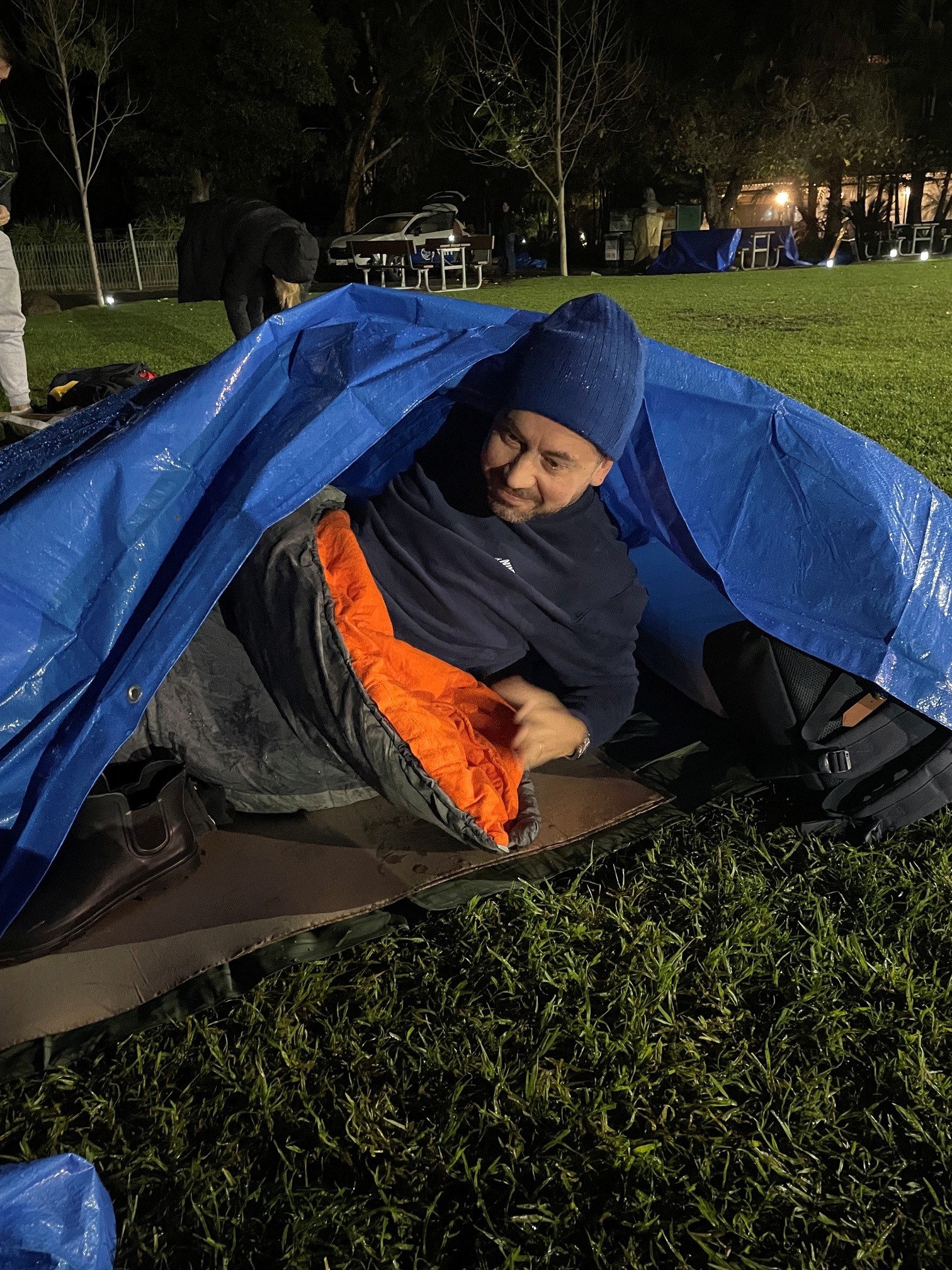
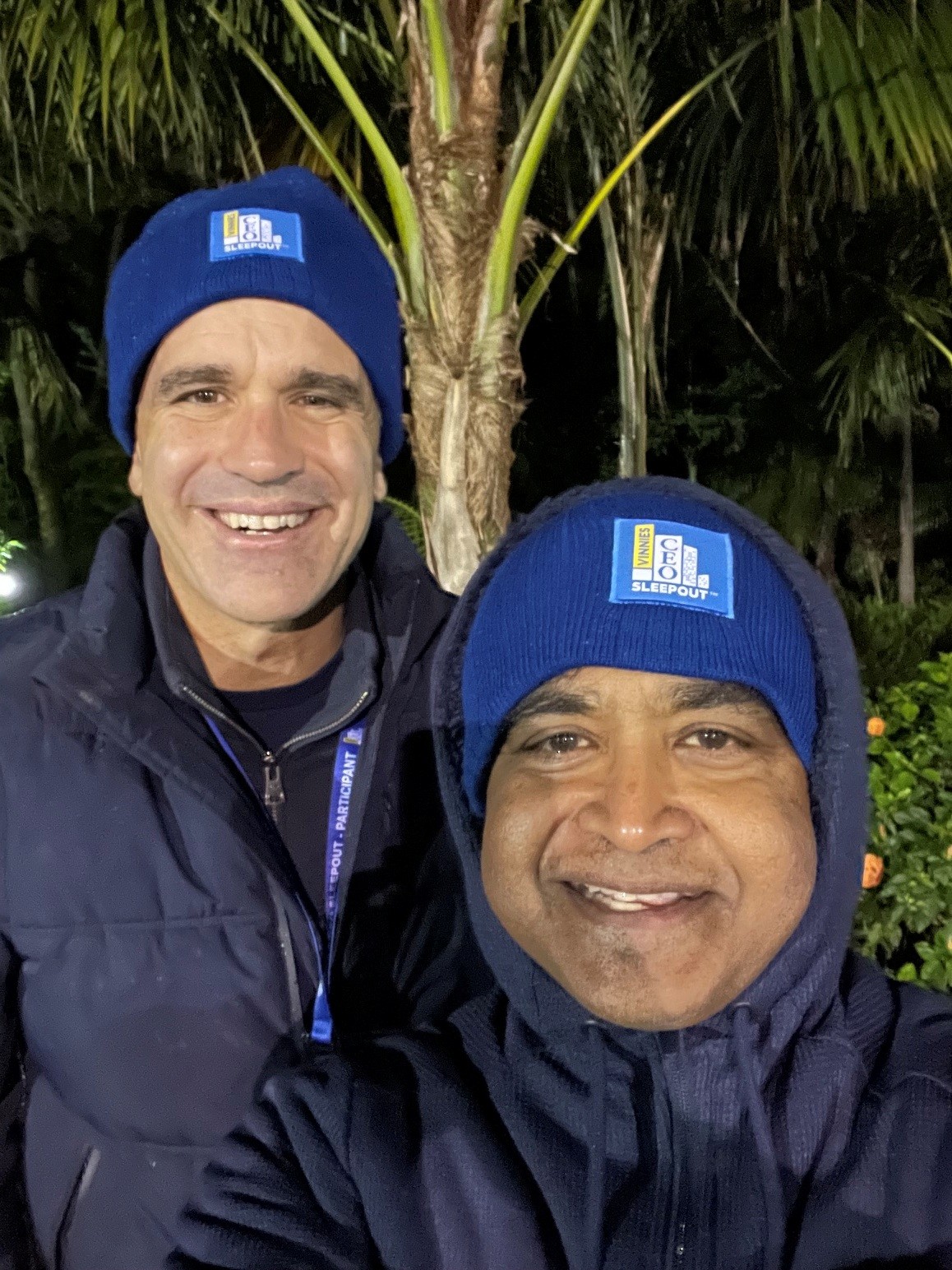
AMA SA CEO Simon Jones and I took part in the Vinnies CEO Sleepout earlier this month – and the experience was eye-opening.
One cold and wet night outside is, of course, no substitute for the reality of homelessness. But it offered a humbling window into the insecurity that between 8,000 and 9,000 South Australians carry every single day.
The most powerful moment of the evening was hearing directly from a man supported by St Vincent de Paul’s emergency accommodation for men. He spoke with extraordinary honesty about the despair of homelessness, and how it can happen – often without warning. It is one thing to understand homelessness as a statistic; it is another entirely to hear it conveyed with the humble eloquence of lived experience.
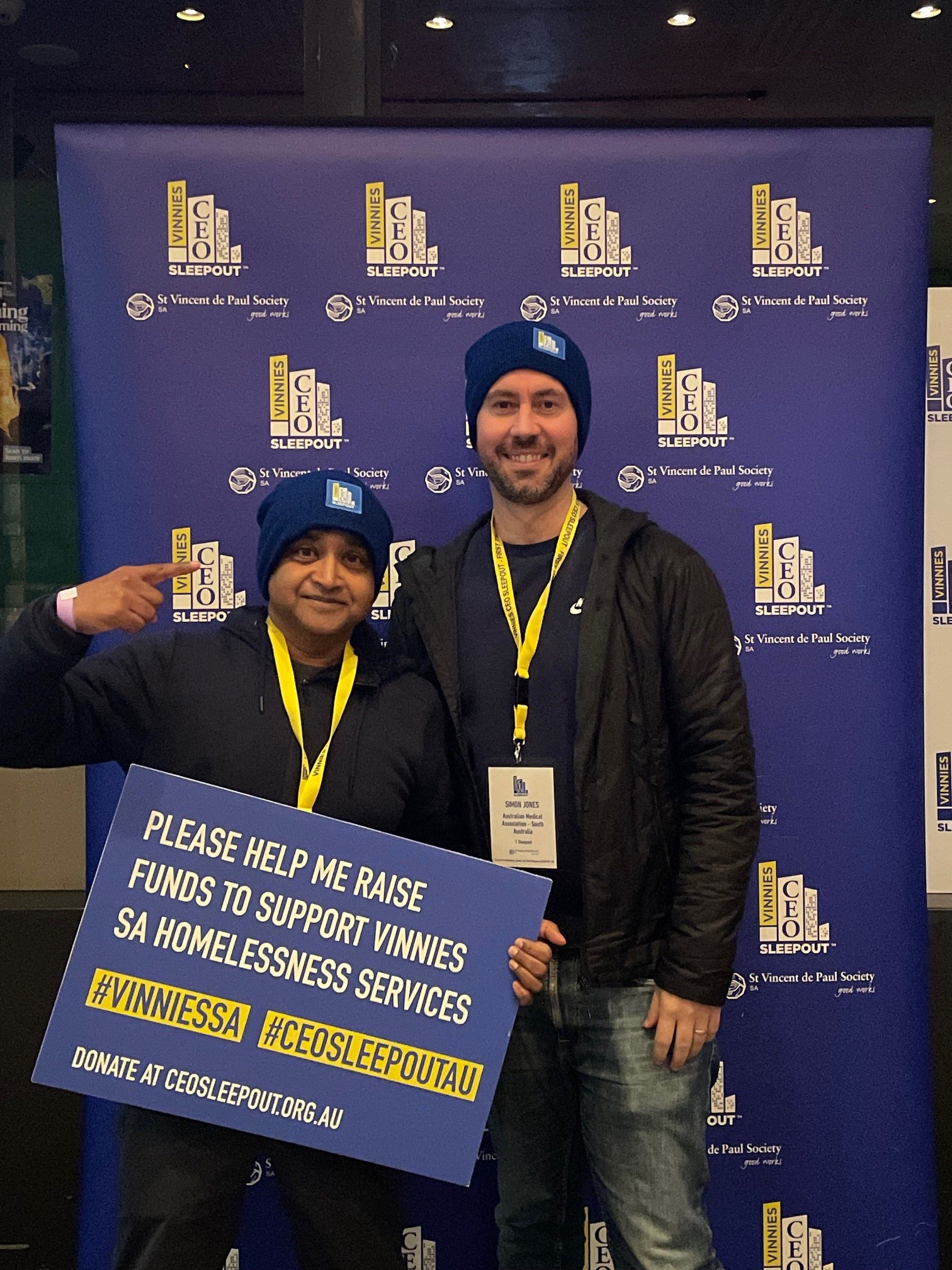
As a medical profession, we cannot separate the social determinants of health from what we see across our health system. Homelessness, and physical and mental ill-health, are intertwined – each capable of driving the other. It is why community-based care matters: meeting people early, in the community, before crisis becomes catastrophe.
My thanks to Simon for sharing the night, and to everyone at Vinnies who walks with our most vulnerable – not for one night, but every night.
Celebrating multiculturalism in our profession
Finally, I was very pleased to attend both the Bangladeshi Medical Society of South Australia (BAMSSA) Annual Scientific Meeting and Gala Dinner and the South Australian Indian Medical Association (SAIMA) Gala Dinner.
These events were a great celebration of the cultural diversity that strengthens South Australia's medical profession. They also provided an opportunity to recognise the vital contribution of international medical graduates, who strengthen our health system, particularly in regional and underserved communities, and are an integral part of South Australia's medical workforce.
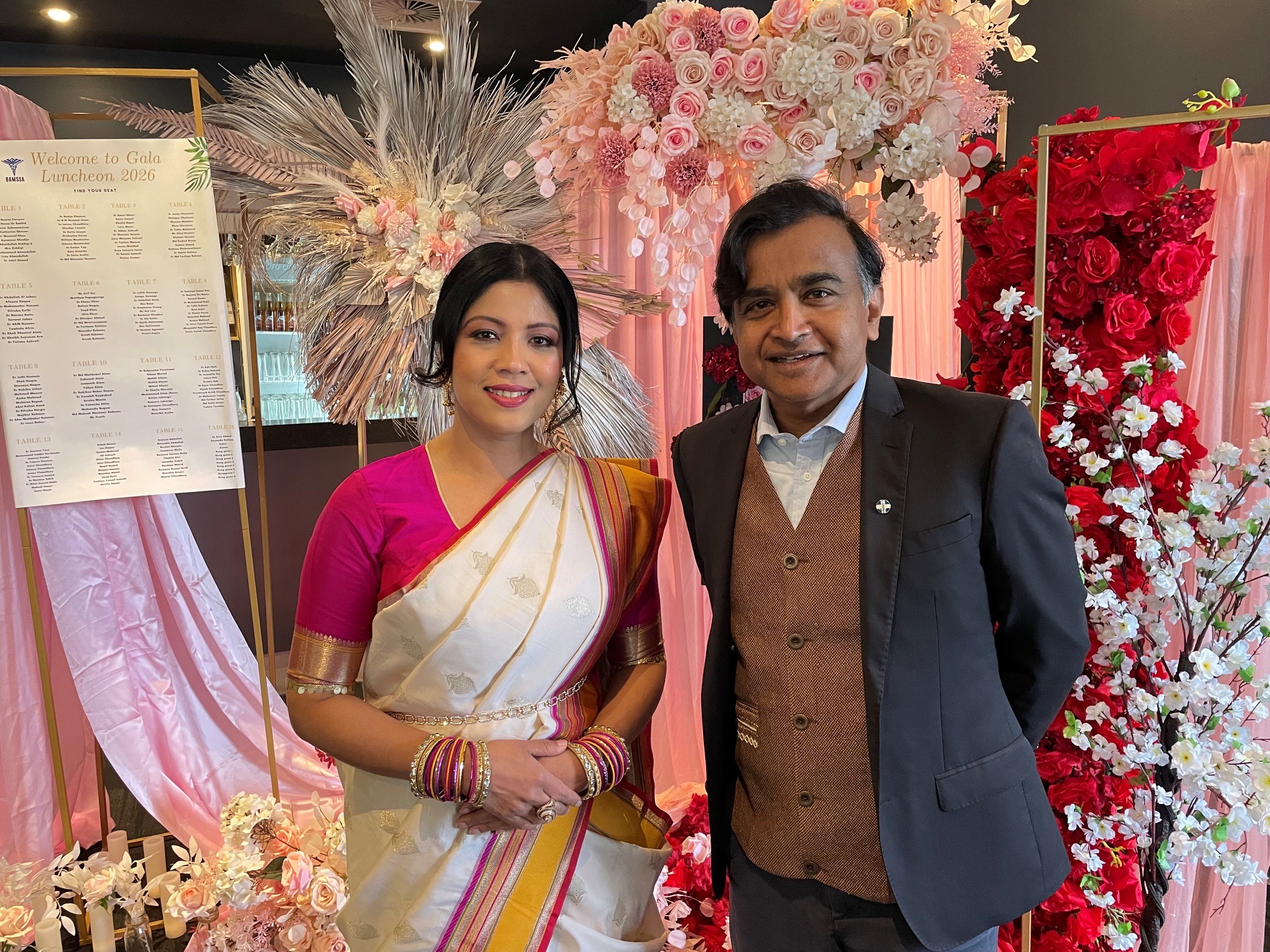
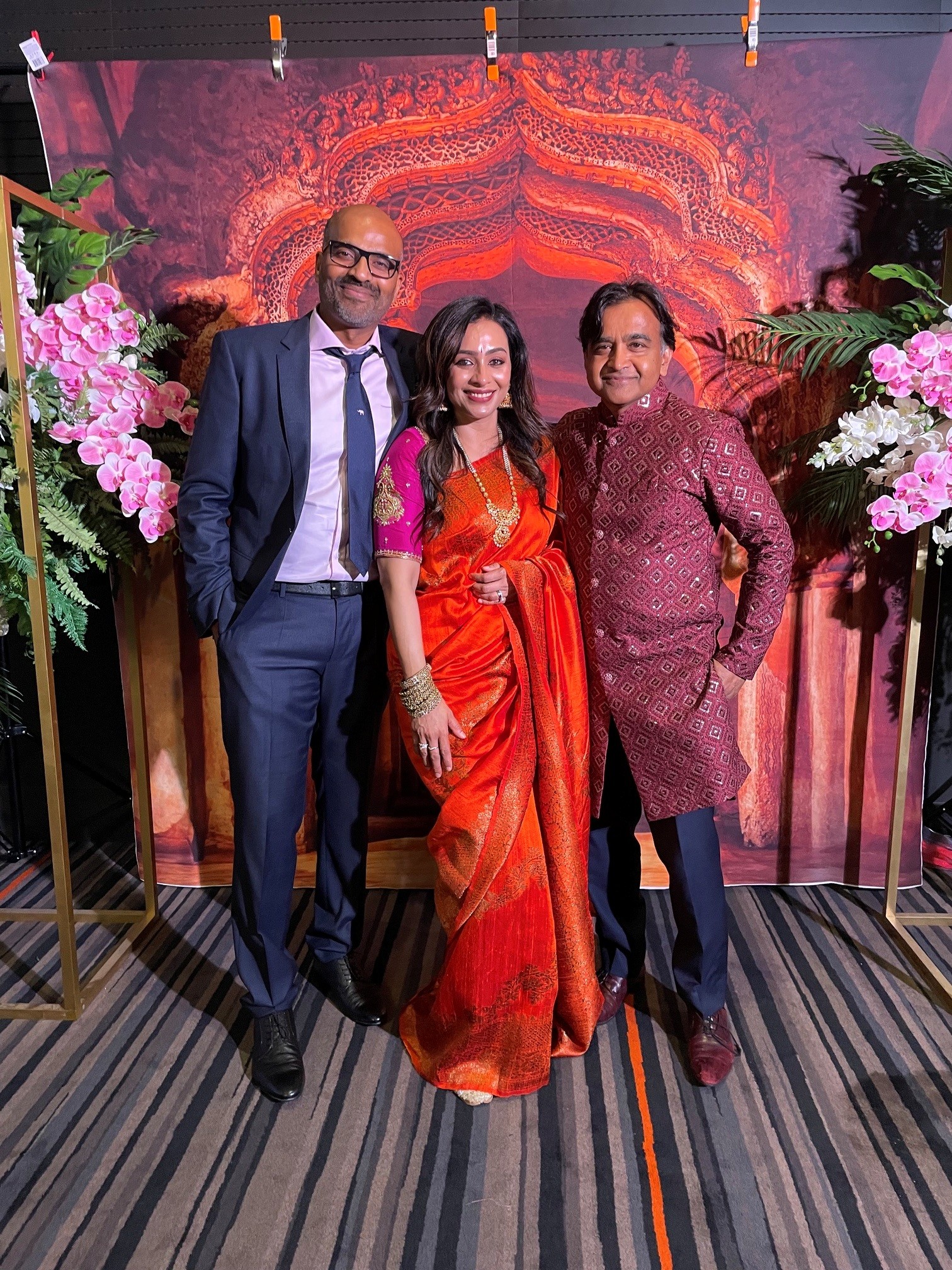
AMA SA proudly supports multiculturalism and an inclusive profession that values the skills, experiences and perspectives doctors from all backgrounds bring to medicine.
If you have any feedback, I’m keen to hear it. Please contact me directly at president@amasa.org.au