Media release: AMA SA calls for increased patient travel support amid the fuel crisis
High fuel prices are placing added pressure on regional patients, prompting calls from the Australian Medical Association in South Australia (AMA SA) for increased financial support for essential medical travel.

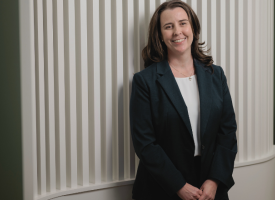
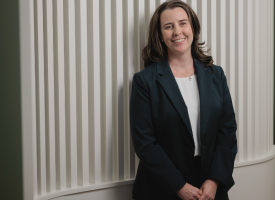
AMA SA President Associate Professor Peter Subramaniam says that rate no longer reflects the cost of travel.
‘Today in South Australia, unleaded fuel costs more than $2.29 a litre, with diesel sitting around $3 a litre. In many regional areas, prices are even higher,’ A/Prof Subramaniam says.
‘AMA SA is calling for the PATS subsidy to be temporarily indexed to fuel prices, to ensure patients can continue to travel for care without suffering unacceptable financial stress.’
More than 20,000 South Australians accessed financial assistance through PATS last financial year. A/Prof Subramaniam says access to care must be protected.
‘Regional patients must travel regularly for a range of reasons, including dialysis, chemotherapy, specialist appointments, surgical follow‑up and paediatric care,’ A/Prof Subramaniam says.
‘For those patients, rising fuel costs compound the pressures of managing illness or a chronic condition. For many, public transport is not an option.
‘If travel becomes harder to afford, there is a risk patients delay care, which can lead to poorer health outcomes and avoidable hospital presentations.’
A/Prof Subramaniam says the fuel crisis also highlights the ongoing need to strengthen community‑based care in regional areas, accelerate steps to address GP shortages, and expand specialist outreach services – initiatives AMA SA called for in the lead‑up to the election.
‘The Prime Minister provided some reassurance in his address to the nation last night, but this remains a time of uncertainty for many households,’ A/Prof Subramaniam says.
‘It is important that regional patients are supported to continue accessing care, and that doctors delivering care in regional communities are backed to keep services accessible and sustainable.
‘We look forward to working constructively with the South Australian Government to ensure financial pressures do not widen existing health inequities.’
For interview requests, please contact media manager Ben Terry on 0478 847 604.