Member spotlight: Dr Fariba Behnia-Willison
AMA SA Councillor Dr Fariba-Behnia Willison has been recognised with a trifecta of honours: the Women in Innovation Award; the Australia Day Council’s South Australian Inspiring Women’s Award; and the Zonta Women of Achievement Award. Through her clinical and advocacy work, she seeks to improve recognition, research and treatment pathways for women’s health conditions.
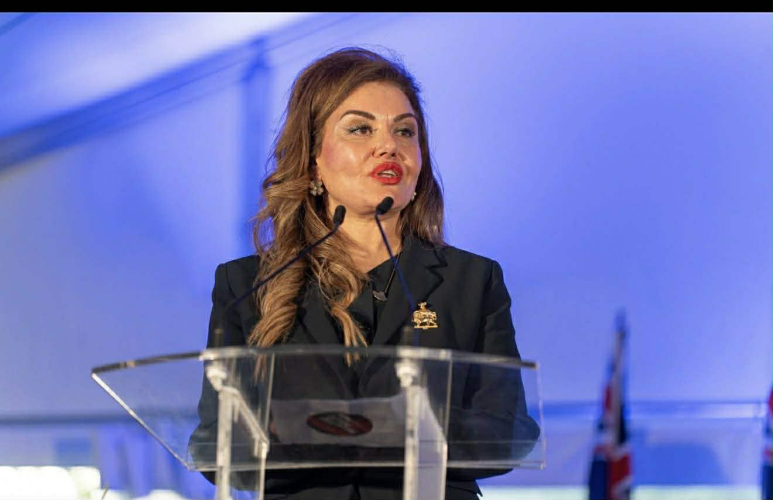
She is an endo gynaecologist specialising in pelvic floor medicine, reconstructive surgery, single incision and advanced laparoscopy, and complex women’s health conditions, as well as the founder of FBW Gynaecology Plus and SmartFem, and co founder of Desert Flower South Australia.
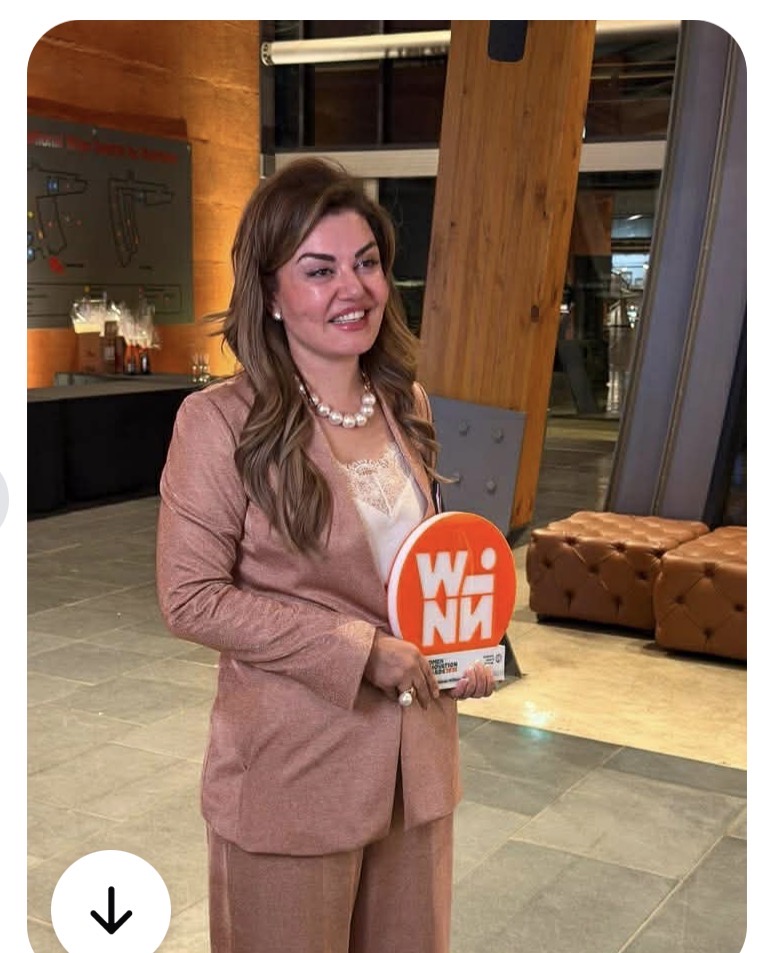
Throughout her clinical career, Dr Behnia-Willison has seen firsthand how deeply many gynaecological conditions can affect a woman’s health, dignity and quality of life.
She says that historically, many of these conditions have received limited attention in research, funding and public conversation – a reality that has shaped her commitment to both innovation and advocacy.
‘Innovation in medicine must always begin with the lived experience of patients,’ Dr Behnia-Willison says. ‘Listening carefully to women’s experiences often reveals where meaningful change in care is most needed.’
‘Leadership in healthcare means advocating for the patients and conditions that have historically been overlooked.’
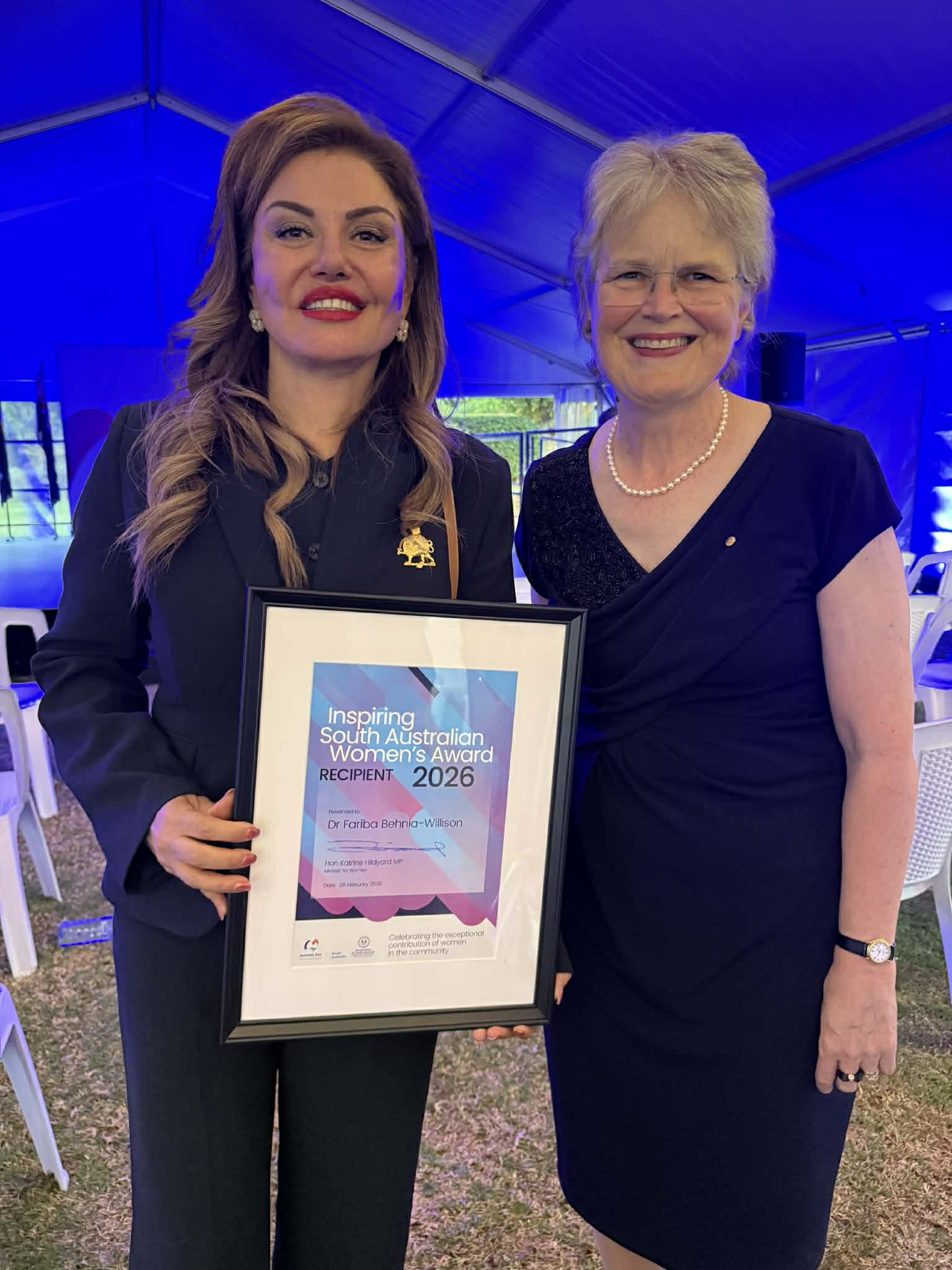
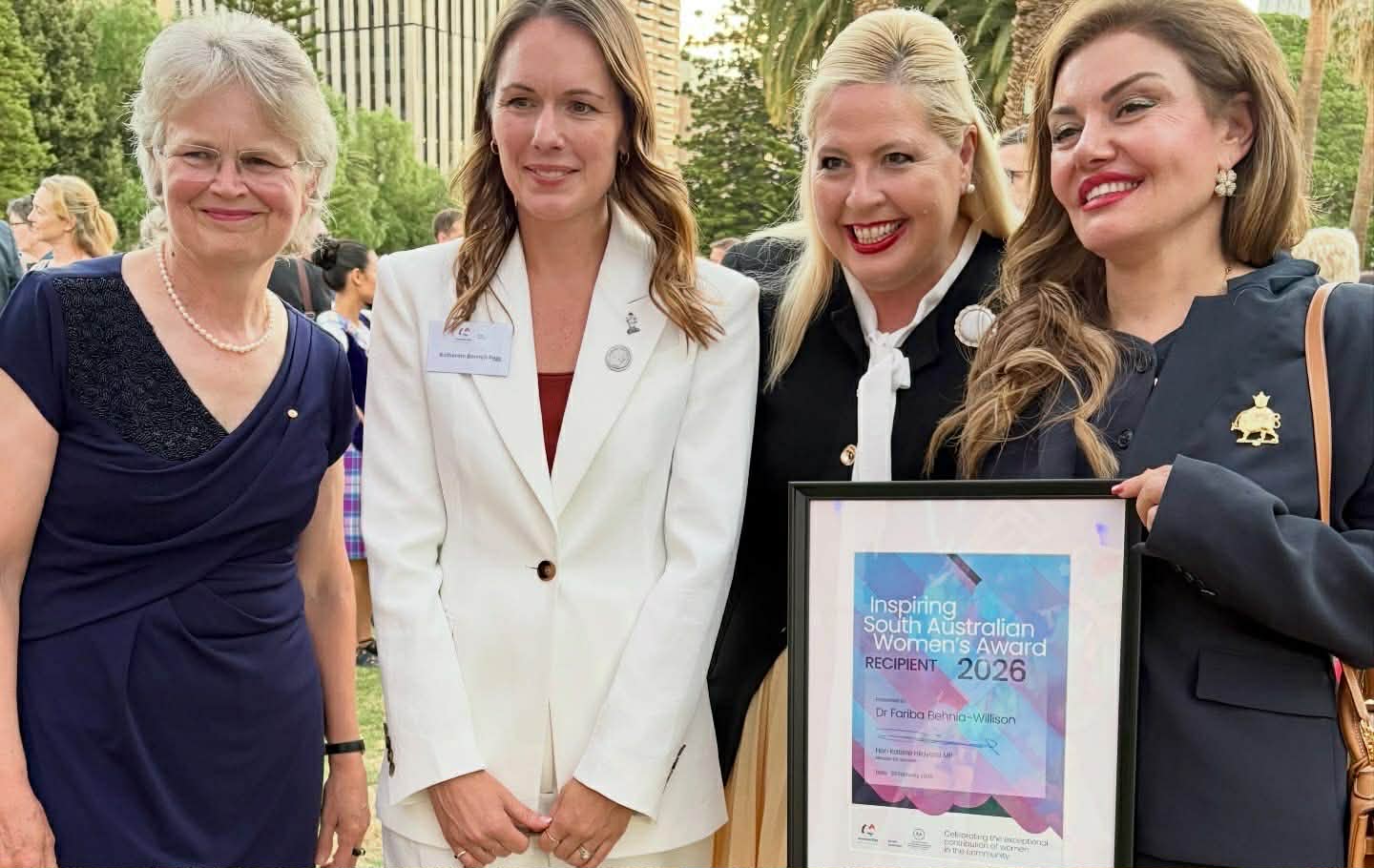
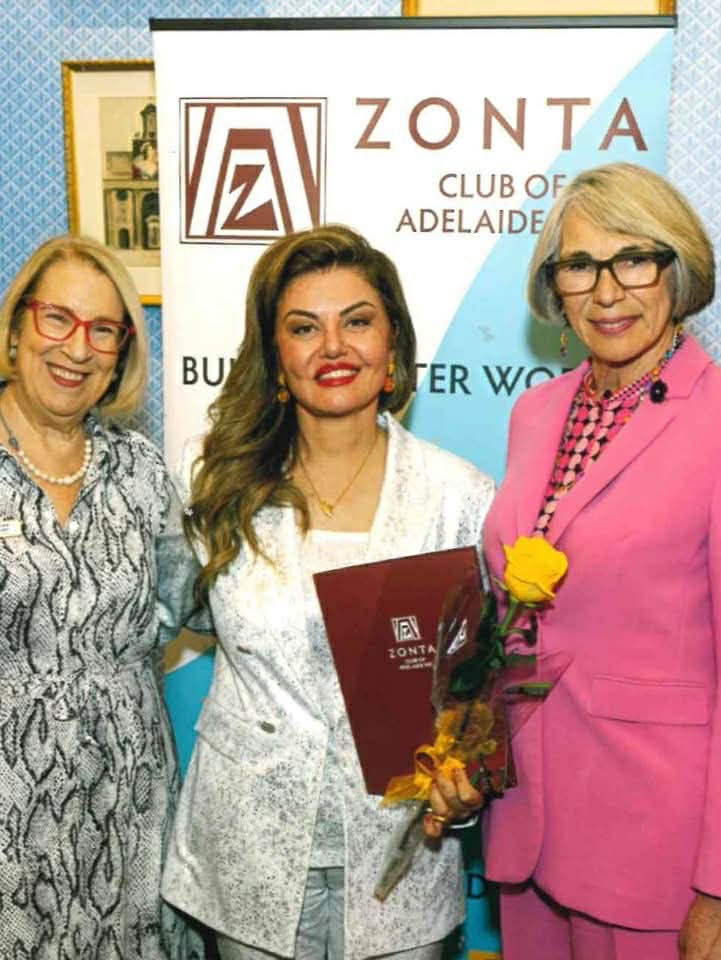
The Women in Innovation Award highlights the growing importance of clinician led innovation in healthcare. Advances in surgical techniques, medical technologies and patient centred models of care have the potential to significantly improve outcomes when they are guided by clinical evidence and grounded in patient experience.
One example she sites is the development of the Victoria Graft System, a surgical innovation designed to support pelvic floor reconstruction. The system has received approval from the Therapeutic Goods Administration and has now been used in more than 500 patients. Its development has been supported by a growing body of scientific work, including five peer reviewed publications and pre clinical research across dry laboratory, animal and human studies.
Beyond the operating theatre and consulting room, Dr Behnia-Willison contributes to broader discussions within the medical profession. As an AMA SA Councillor, she participates in conversations around healthcare policy, workforce wellbeing and the importance of ensuring women’s health remains a priority within the healthcare system.
She says that progress in medicine demands a collective response.
‘Medicine is fundamentally a team endeavour,’ Dr Behnia-Willison says. ‘I am deeply grateful to my colleagues, collaborators and patients whose trust and courage continue to inspire this work.
‘Equitable healthcare for women is not a privilege. It is a clinical necessity and a basic human right.’