President’s update: Advocacy after the election
In this week’s President’s Update, A/Prof Peter Subramaniam reflects on the post-election political landscape, AMA SA’s advocacy strength, and why doctors are strongest when they speak with one voice.
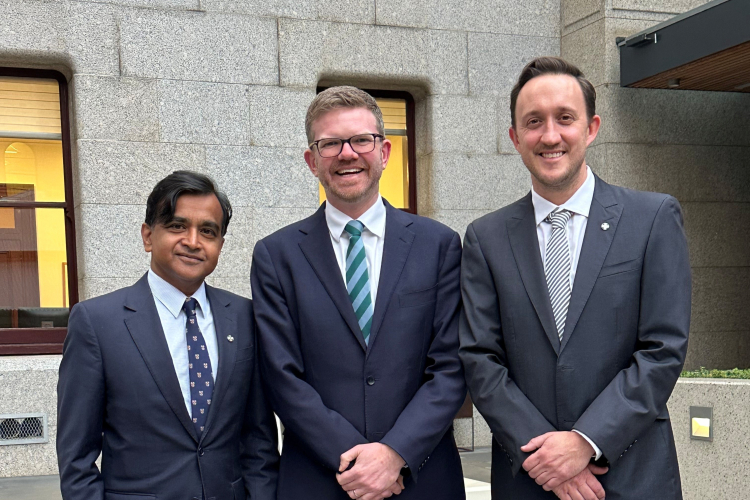
When South Australians woke on Sunday morning – the day after Labor secured a commanding victory at the state election – in many ways it felt like little had changed. The same government remained in power, patients were on ambulance ramps, and 25,000 people were still waiting for planned, essential surgery.
These are stubborn problems, but they must be addressed.
The Government’s increased majority means organisations like AMA SA must work strategically to hold decision makers to account. It is essential that the voices of doctors – those working every day to keep the health system running – are heard, respected and acted upon.
This is where AMA SA’s strength lies.
We are the only organisation representing all South Australian doctors. That unity – across specialties, sectors and career stages – opens doors and gives us influence that no other medical body has.
We saw that influence during the election campaign. Behind the scenes, we met repeatedly with the Health Minister, Shadow Health Minister and other parliamentarians to ensure doctors’ priorities remained front of mind.
We reinforced those messages publicly through sustained media engagement. Since the start of the year, AMA SA has been mentioned more than 150 times in the media, reaching a potential audience of well over two million people. The public cares what doctors have to say – and decision makers pay attention to that.
As we navigate this new political reality, we do so from a position of strength and strategy.
Doctors are stronger when we work together. Addressing the challenges facing healthcare – from general practice and aged care to mental health and our hospitals – requires diverse voices working collectively with government for the benefit of patients and the community.
New Health Minister
This new political reality also includes a change in health leadership. Minister Chris Picton - pictured above with AMA SA Vice President Dr Louis Papilion and me - has moved to what the Government describes as an ‘economic super portfolio’, with former Education Minister Blair Boyer stepping into the health role.
I would like to thank Minister Picton for his service as Health and Wellbeing Minister. Throughout his term, Chris engaged constructively with AMA SA and demonstrated genuine respect for the expertise and lived experiences of the doctors we represent. While we did not always agree on everything, our relationship was built on transparency and trust. I particularly valued Chris’s willingness to participate in key AMA SA initiatives, including the Access to Care Round Table and the AMA SA Health Debate.
I look forward to forging a similar relationship with Minister Boyer and will be writing to seek an early meeting with him and the Premier, who has clearly stated his desire to continue fixing the health crisis. AMA SA will continue to work constructively with the Government to ensure doctors help shape decisions over the next four years – for the benefit of patients, the profession and South Australia’s health system.
Why culture matters in medicine
There is more happening across our profession than politics alone.
Last week, I attended the inaugural Hellenic Medical Journeys 2026, hosted by the Hellenic Australian Chamber of Commerce and Industry (SA), with the support of SAHMRI, Flinders University and the Flinders Health and Medical Research Institute.
The evening was a powerful reminder that medicine is never practised in a cultural vacuum. Professors Karapetis, Makrides and Psaltis shared professional journeys shaped not only by training and opportunity, but by language, culture, family and deeply held values. It was striking to see so many family members in the room – a quiet reminder of how much sits behind individual achievement.
Events like this matter. They recognise the contribution of culturally diverse doctors to South Australian medicine and highlight the values that sustain our profession long before they are formally taught – service, resilience, learning and community.
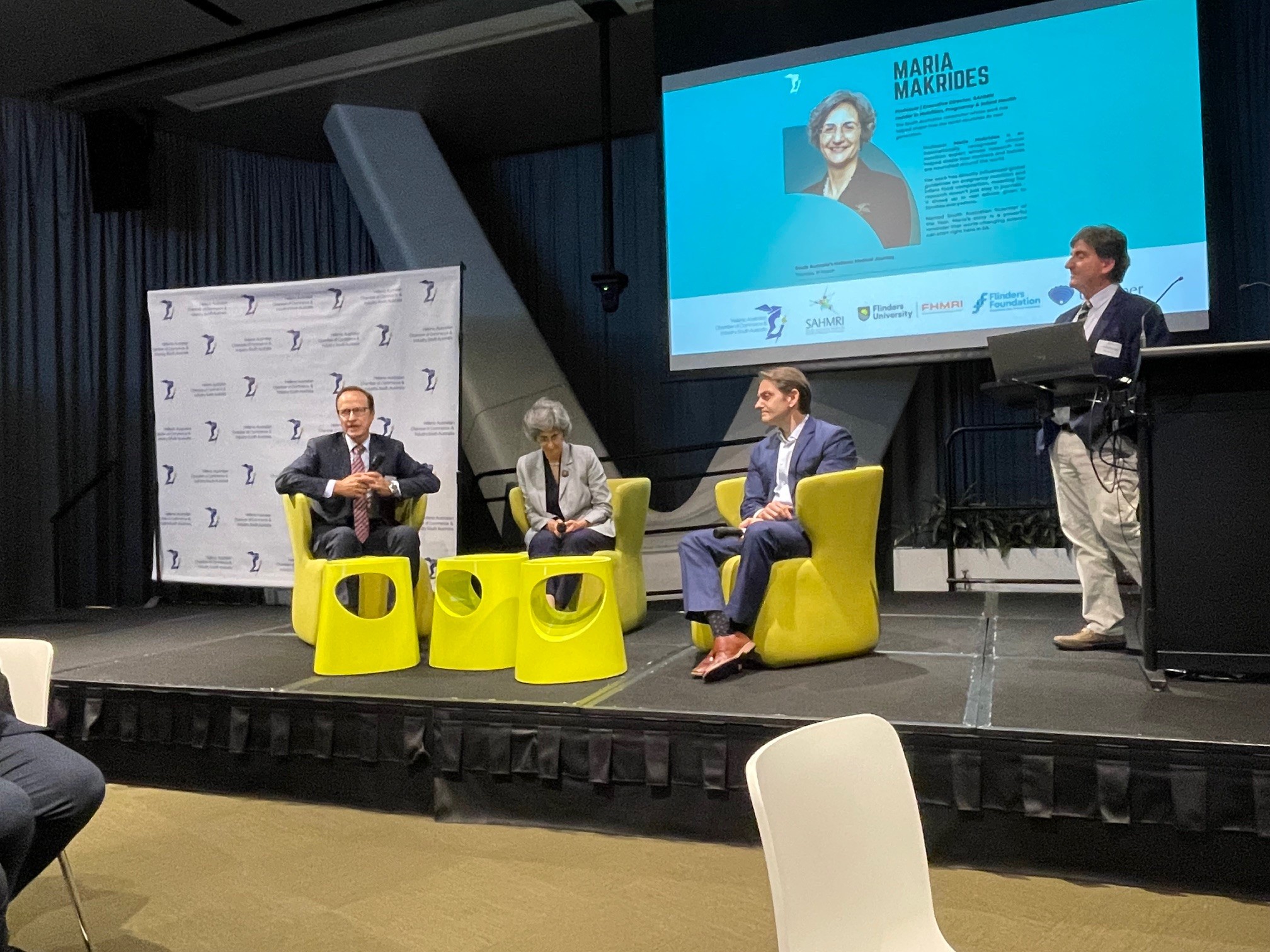
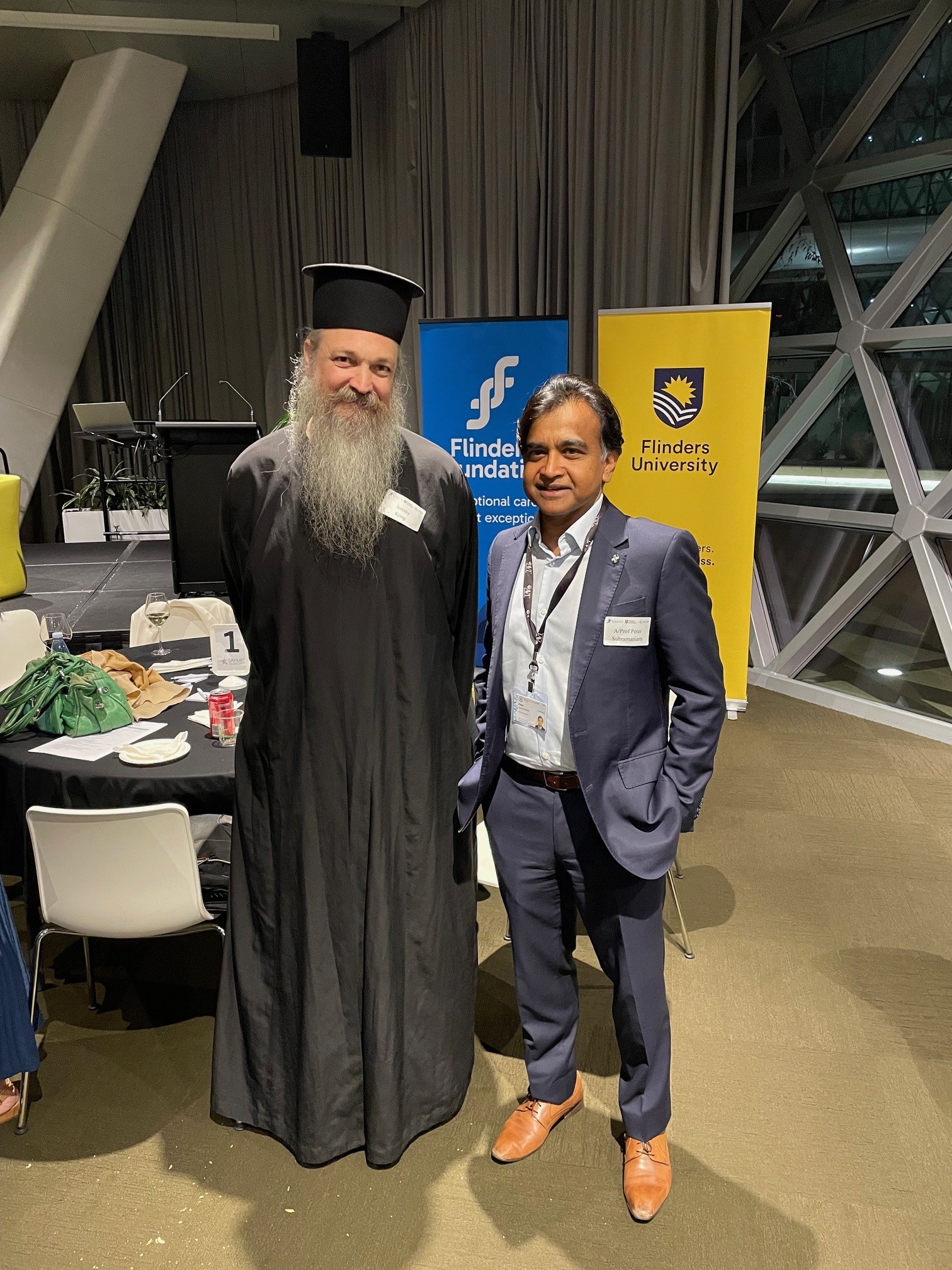
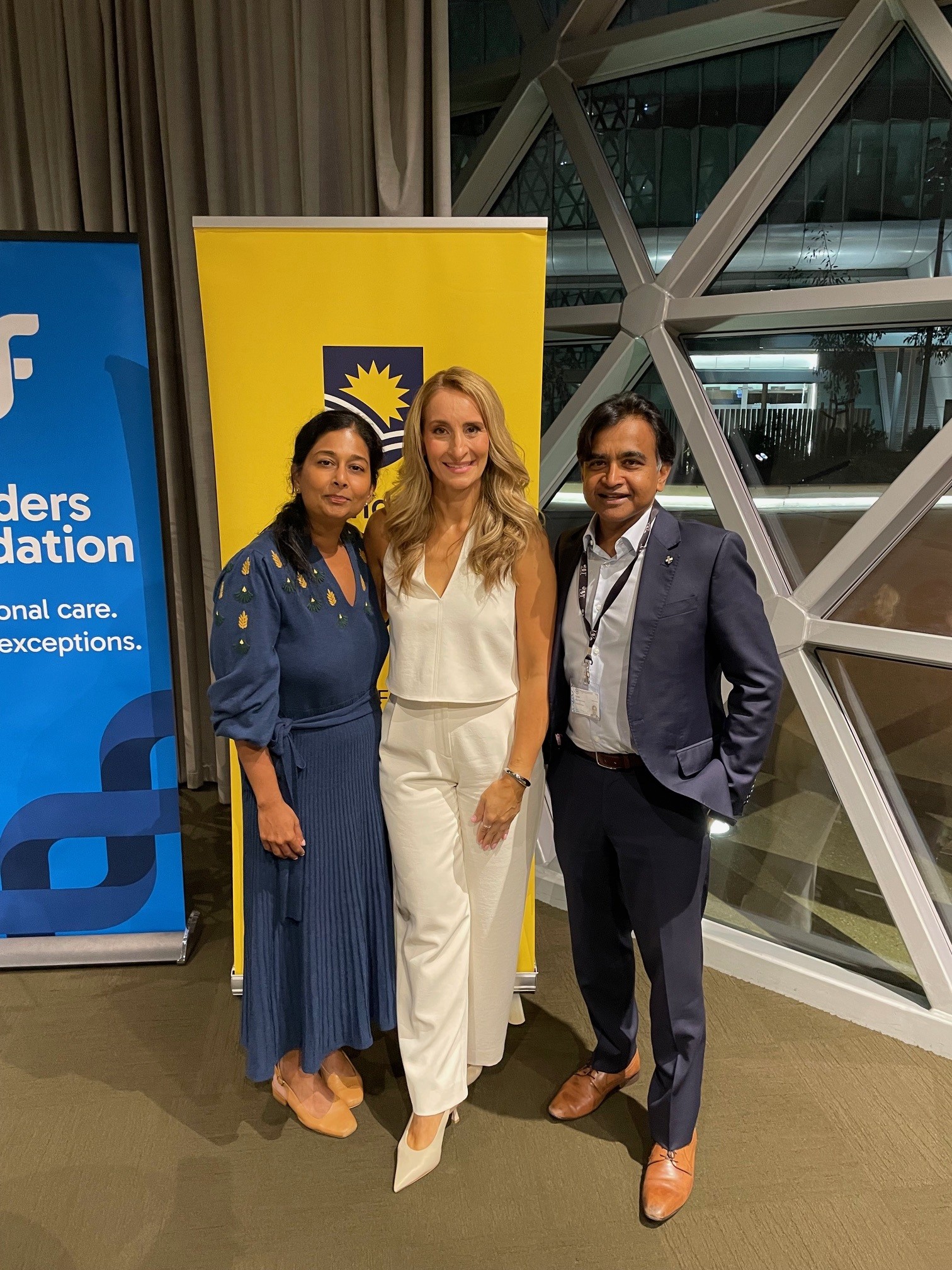
Thank you to HACCI SA for creating space for these stories, and for recognising the many cultural traditions that continue to enrich medicine in South Australia.