President’s update: Budget concerns, hospital pressure and palliative care gaps
In this week’s President’s update, A/Prof Peter Subramaniam outlines AMA SA’s concerns about a federal budget change affecting older Australians and the pressure it will place on public hospitals. He also shares updates on Council priorities, alongside frontline insights from palliative care services across South Australia.
Budget concerns
Like many Australians, AMA SA is still working through the federal budget and its implications for healthcare.
One policy shift that stands out is the reduction in the private health insurance rebate for older Australians. This is a real concern for South Australia, which has one of the oldest populations in the country. Private Healthcare Australia has told me more than 270,000 people here could be affected by the rebate cut.
If even a portion of these patients give up or scale back their cover, the impact will fall squarely on our public hospitals — adding pressure to a system already struggling to keep up.
In response, AMA SA is calling on the Federal Government to release the full modelling behind these cuts so their full effect can be properly scrutinised.
South Australian patients should not face longer waits and worse outcomes because policy decisions were made without a clear understanding of their system-wide consequences.
Meeting the Shadow Minister
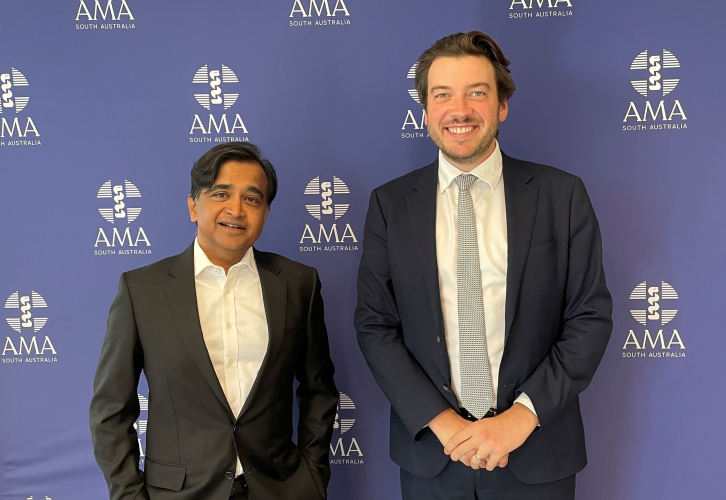
Last Monday, I had my first meeting with the new Shadow Health Minister, Jack Batty (pictured above). It was a chance to introduce ourselves and discuss the role of the AMA and our trusted position in the community as the only organisation representing all doctors in this state.
The conversation broadly reflected the themes I covered during my first meeting with Health Minister Blair Boyer last month: the efficiency of the public health system, elective surgery and outpatient waiting lists, and the need for more meaningful data on who is ending up on our ambulance ramps.
AMA SA will continue to play its role as an independent, evidence-based voice — engaging constructively and honestly with all sides of politics.
Council priorities
Council met on 8 May, with discussions covering a broad range of topics including general practice, workforce and system capacity.
A key concern was palliative care and how limited bed availability and a lack of community-based services are creating worsening bottlenecks. Council approved a position paper reaffirming the need for increased infrastructure and a sustainable workforce model. This underpinned some recent media:
Read palliative care media release
Council also endorsed a position on e‑bikes, supporting balanced regulation, stronger enforcement and safer infrastructure. I have since written to the Transport and Infrastructure Minister Joe Szakacs requesting a meeting to discuss these essential reforms.
Palliative care: hearing from the frontline
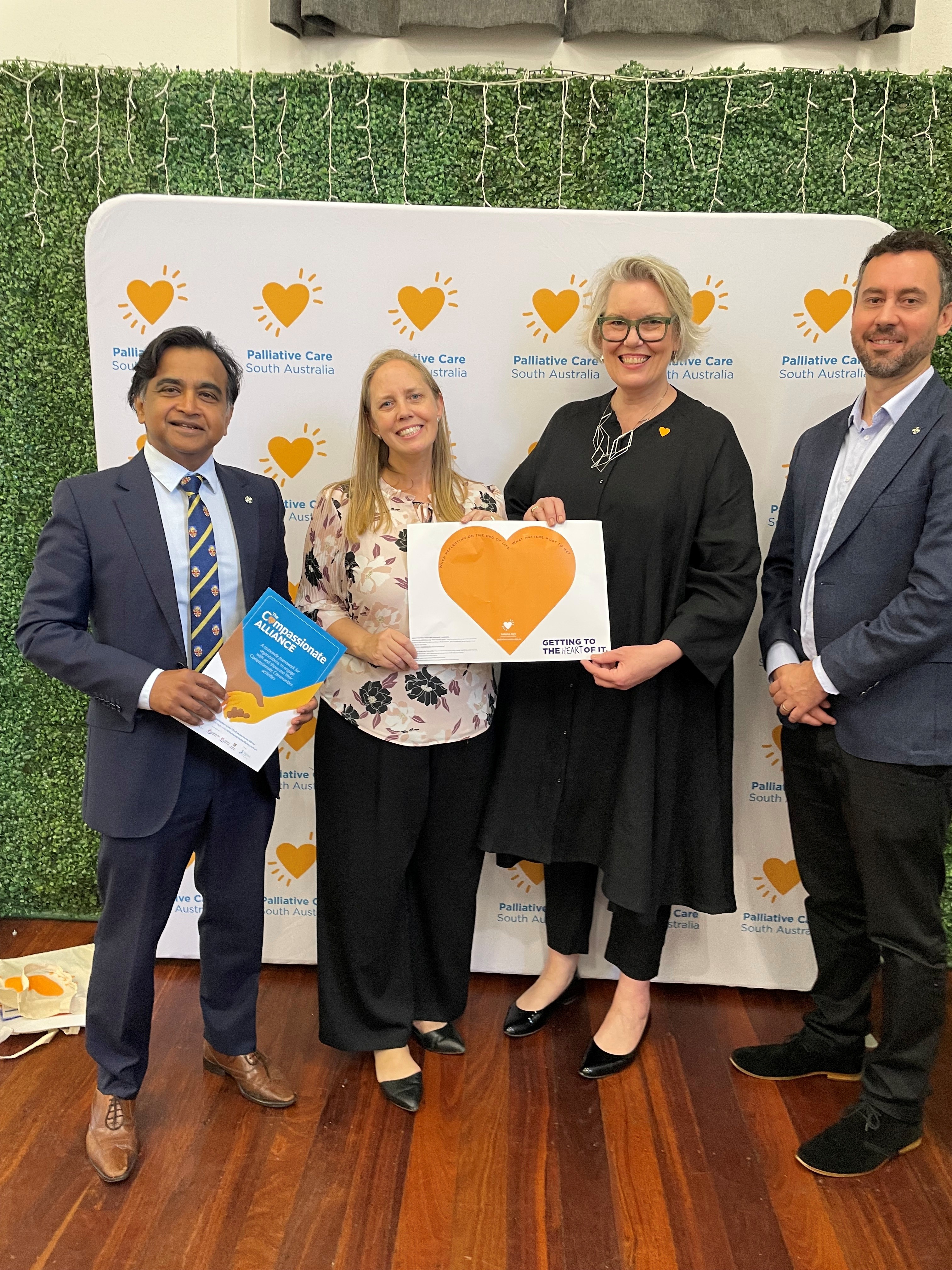
During National Palliative Care Week from 10–16 May, CEO Simon Jones and I joined Palliative Care SA and heard a clear message from the sector: the system needs better coordination, stronger workforce capacity and more equitable access.
Gaps remain for people under 65, regional communities and vulnerable groups. The absence of a consistent statewide data system continues to limit effective planning, while care remains fragmented and many carers – often unpaid – need more practical support.

Disappointingly, the federal budget was largely silent on key supports in this space, including aged care palliative funding and recognition of GP-led care.
But beyond policy, it’s people who carry this work. Meeting Riverland GP registrar Dr Josh Buchecker, who is training in palliative care, was a reminder of the compassion at the heart of the system.

To all clinicians, carers and services delivering this care across South Australia — thank you. I welcome your feedback: president@amasa.org.au.