President’s update: AMA SA’s early talks with government
In this President’s update, AMA SA President A/Prof Peter Subramaniam reflects on early engagement with the returned Malinauskas Government, and the need for a ‘mature, evidence-based’ discussion on payroll tax.
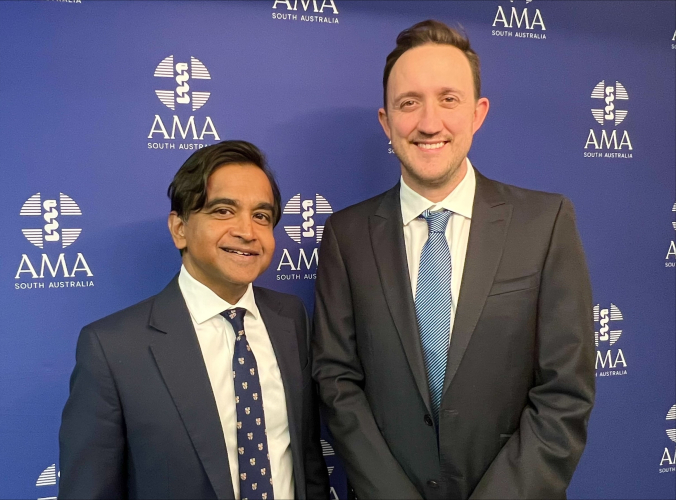
AMA SA’s engagement with the returned Malinauskas Government has begun on a positive footing.
Just days after his appointment, I received a call from the new Health Minister, Blair Boyer. He spoke about his intention to continue the collaborative and constructive working relationship AMA SA established under former Minister Chris Picton. That approach is most welcome, and I look forward to working with him to deliver meaningful outcomes for doctors, patients and the health system.
Minister Boyer has been upfront about the scale of the task ahead, describing health as ‘without a doubt the toughest portfolio in government’. He has also made clear – both publicly and in our conversation – that he wants to hear directly from those working in the system, as well as from patients and families.
I have since written to both the Minister and the Premier to request a follow‑up meeting. AMA SA will continue to ensure the voices of doctors are heard and acted upon as key decisions are made and election promises are implemented.
Engaging with the Opposition
You may have seen that the Liberal Opposition has also appointed a new Shadow Health Minister – Jack Batty – who, like Minister Boyer, has moved from the education portfolio. Mr Batty has expressed a willingness to ‘back frontline health workers’ and to heed their advice. I welcome this commitment and look forward to developing a constructive working relationship so that the expertise and lived experience of clinicians continue to inform opposition health policy.
I also thank outgoing Shadow Minister Heidi Girolamo for her contribution during her short but important time in the role, including her participation in AMA SA’s Health Debate in February.
Payroll tax advocacy
Payroll tax remains one of the key issues we will continue to raise with both major parties. We are seeking a mature, evidence‑based discussion about the impact of this tax on specialists in private practice and the broader health system.
As I outlined in a recent interview with ABC News, private practices – like other small businesses – are facing rising costs across the board, including staffing, overheads and payroll tax. In some cases, this has left practices with little choice but to introduce additional charges simply to remain viable – decisions that are not made lightly and are often taken reluctantly, after all other options have been exhausted.
When that happens, there are real consequences for patients and for the system as a whole. As the cost of accessing care increases – even through relatively small administrative fees –some patients delay or forgo care altogether.
The downstream effects on hospital demand and the broader health system can be significant. According to the Australian Institute of Health and Welfare’s most recent Expenditure Report, governments spend around 77 per cent more per person on hospital care than on primary care. AIHW data also shows the average government contribution for each emergency department presentation ranges from $650 to $900 – significantly higher than the cost of supporting timely, accessible care in the community.
We will continue these data‑driven discussions with government and keep members updated as they progress.
Fee transparency and vertical integration
AMA SA recently provided important input into the Federal AMA’s submission in response to the Health Legislation Amendment (Improving Choice and Transparency for Private Health Consumers) Bill 2026. The feedback reflects our position that patients must have access to transparent information so they understand the costs they will pay and why. The proposal to publish a single average fee per specialist – without context, without consultation on methodology, and without accounting for the role insurer benefit levels play in determining what patients pay – risks deterring people from seeking private care rather than empowering them with accurate information to make a choice.
This sits alongside a broader concern I raised in my ABC Radio interview last week: the accelerating acquisition of GP clinics by private health insurers. Medibank's $159 million purchase of the Better Medical network and Bupa's stated plans to operate more than 130 medical centres across Australia represent a potential conflict of interest – when an insurer both funds and delivers care, clinical decisions risk being driven by corporate priorities rather than patient need. AMA SA is calling on the government to establish meaningful regulatory oversight of this trend.
Give blood
Prior to the Easter long weekend, I (literally!) rolled up my sleeves and donated blood.

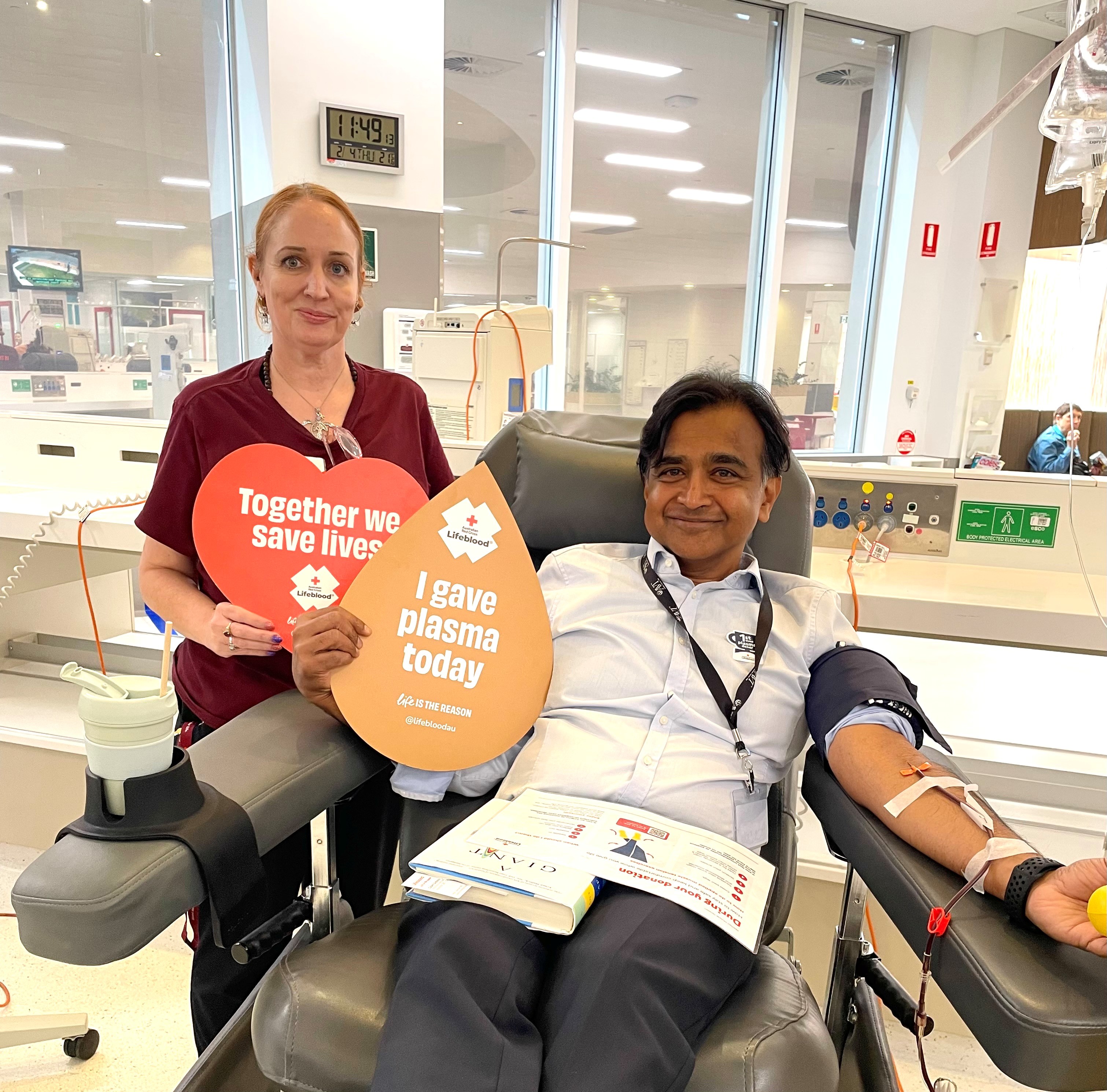
Australia needs around 33,000 donations of whole blood, plasma and platelets each week to meet demand – and right now O negative blood is in low supply. I know many of us have busy schedules and competing priorities, but if you are eligible and able, I encourage you to consider donating. As doctors, we understand that a single donation can make a genuine difference for patients across emergency care, surgery, maternity and oncology.
I welcome your feedback and input as we work together to build a better health system for South Australian doctors and our patients. president@amasa.org.au