Member spotlight: Dr Chloe Furst
In September, dual-trained geriatrician and palliative care physician Dr Chloe Furst will join fellow doctors at AMA SA's Women in Medicine Breakfast to reflect on the 'Moments That Matter' in medicine. In this article, she shares what drew her to end-of-life care, what makes a good death, and why choice should be at the heart of every patient's healthcare journey.
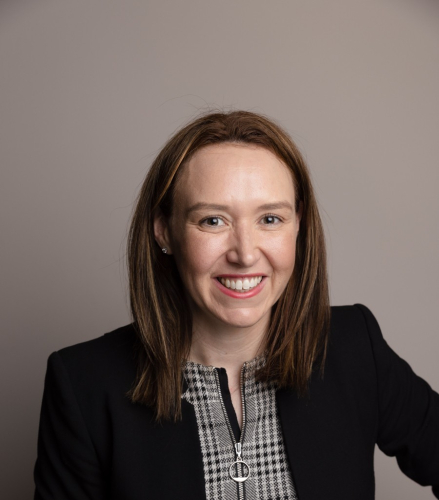
Dr Chloe Furst will never forget the first time she helped a patient end their life through voluntary assisted dying (VAD).
She knew it was what her patient wanted – there was no question about that. But that certainty didn't diminish the emotional weight of the moment.
'I was in the medication room in tears afterwards, just because of the enormity of it all,' Dr Furst recalls.
‘Throughout medical school and physician training we focus on all the things we can do to cure and reverse illness in the hope of avoiding or delaying death.
‘I knew it was absolutely the right thing for the patient, but administering a substance and knowing someone will die as a result – that's something extraordinary.'
Different patients affect her in different ways. Some remind her of herself – young parents raising children. Others are much older and at very different stages of life. Each leaves a mark.
'I do believe it takes a toll, and I think if it didn't, that would be problematic,' she says.
'If I didn't have some sort of personal connection or sense that this was a special, significant moment, I think that's when I would have to stop working in this area, because that's when it would lose its meaning.'
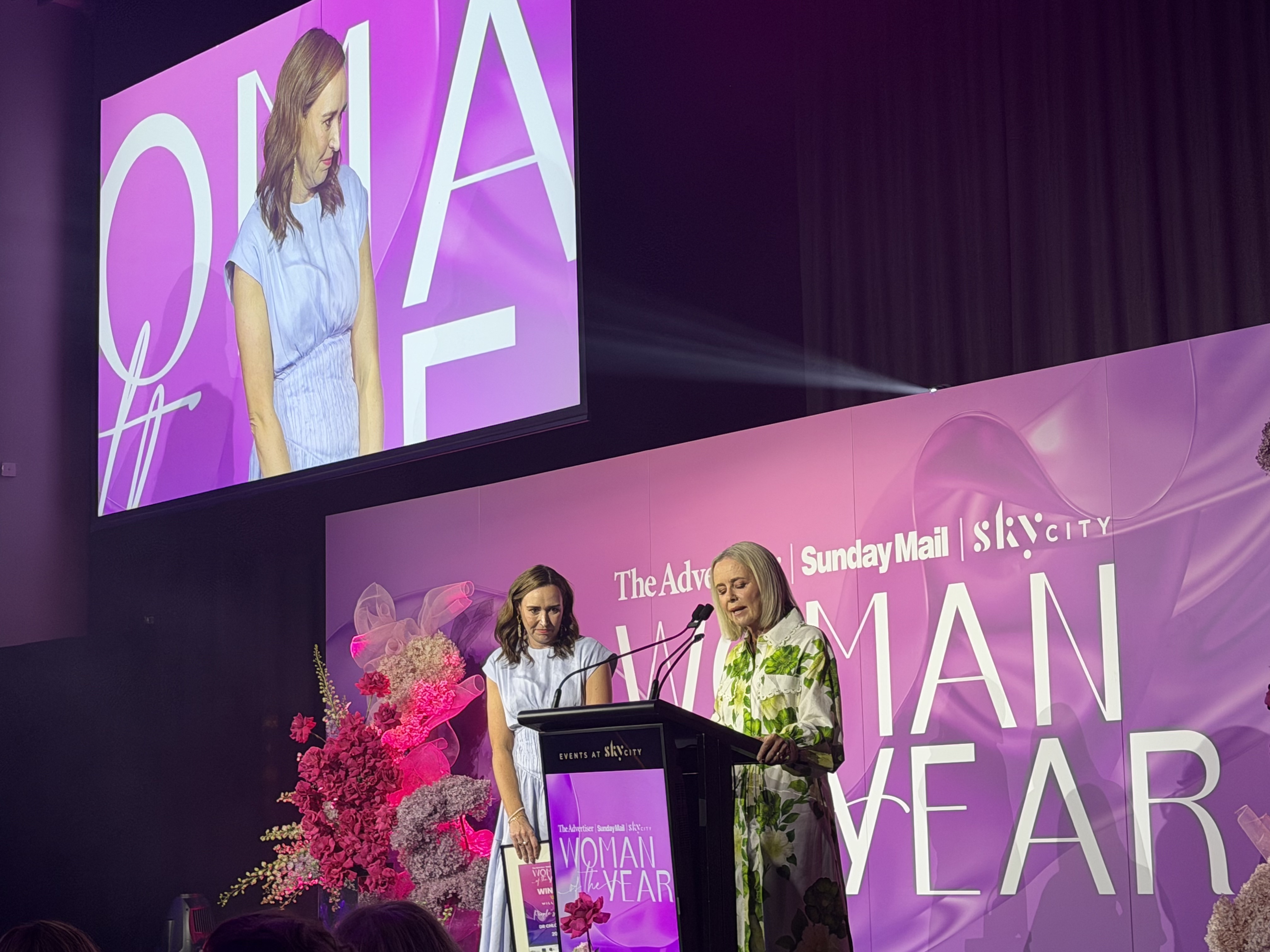
Dr Furst is a dual-trained geriatrician and palliative care physician working in the Central Adelaide Local Health Network (CALHN).
Her decision to specialise in care for older patients and those at the end of their lives can be traced to difficult experiences in childhood. She lost her stepfather to bowel cancer when she was 12 years old. Her grandmother died from breast cancer a few years later.
'Both of those experiences highlighted to me the humanistic side of medicine and just how important end-of-life care is,' Dr Furst says. 'We only have one chance to get it right.'
Dr Furst believes that one of the most important aspects of 'getting it right' is empowering patients to make informed choices.
'In Australia, I don't think there is enough training of health care professions to support high-quality end-of-life care,' she says.
'The focus is very much on more tests, more treatment, more interventions.
'We don't always take the time to have proper conversations about what good quality of life means and what matters to the patient. More treatment isn't necessarily better or always in the patient’s interests.'
It was that dedication to giving patients choice that led to Dr Furst's work with VAD.
A special kind of health care
When South Australia introduced VAD legislation in 2021, she applied for and was appointed to the state's VAD implementation taskforce. She was instrumental in its rollout, particularly within CALHN, and is now regarded as a national expert in the field.
She describes it as an unexpected turn in her career.
'I wasn't on the steps of Parliament holding up a sign supporting VAD,' Dr Furst says.
'But when it became available, I wanted it to be rolled out in South Australia in an equitable and safe way.
'If I'm honest, it has been one of the most rewarding parts of my career. There are some patients for whom their existential suffering can really only be relieved by giving them back that choice and control over what their death looks like. That is certainly not a failure of good palliative care.'
Dr Furst says that seeing the sense of relief of finally being heard is common among her VAD patients.
'I can almost see the moment when I say to them, "I will be supporting the VAD application. I think you're eligible." The weight has been lifted off their shoulders. Often people get very teary and very, very grateful,' Dr Furst says.
'Not all suffering can be relieved with a medication and a pill.'
So beyond giving people control over when they die, what does a good death look like? It's something Dr Furst says she thinks about often.
'I think a good death is one where symptoms are relatively controlled, the person maintains their dignity and understands that death is approaching and they have their family and loved ones with them – and ideally it happens in a place of their choosing,' Dr Furst says.
'None of us knows what comes after death, but for the family left behind, knowing a loved one had the end they wanted certainly helps with bereavement.'
Dr Chloe Furst is one of three doctors on our guest panel at this year's AMA SA Women in Medicine Breakfast on 10 September. Don't miss the opportunity to hear their reflections on the moments that matter in medicine.